Atmospheric Conditions and Betting Volume Fluctuations in Outdoor Sporting and Track Events
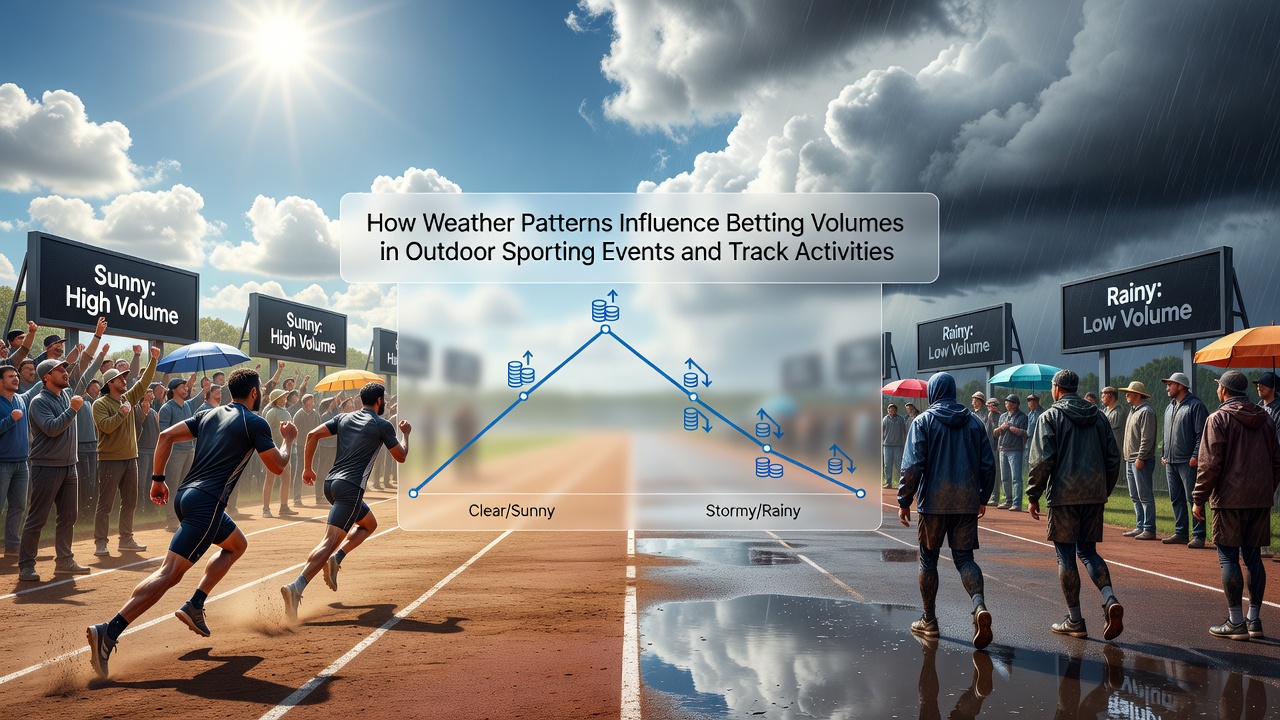
Weather patterns exert measurable effects on betting volumes across outdoor sporting events and track activities because atmospheric variables directly alter event conditions, participant performance, and spectator engagement. Observers note that precipitation, temperature extremes, and wind shifts prompt bettors to adjust wagers in real time, while data from multiple jurisdictions indicate corresponding changes in transaction counts and stake sizes. Researchers have tracked these correlations through historical records from horse racing circuits, football pitches, and tennis courts where surface moisture or air temperature modifies outcomes and influences market liquidity.
Track Surface Responses to Precipitation
Heavy rainfall transforms turf and dirt tracks into softer, slower surfaces that favor certain runners while disadvantaging others, and betting volumes shift accordingly as punters reallocate stakes toward horses with proven wet-weather form. Studies from Australian racing authorities show that daily handle can rise by 12 to 18 percent on declared wet tracks because bettors perceive greater value in identifying specialists for those conditions. Conversely, sudden clearing skies after morning showers can trigger rapid odds movements and additional volume spikes as late money enters the market. Track officials at major venues publish updated going reports that feed directly into betting platforms, creating feedback loops where weather data and wagering activity reinforce each other throughout race days.
Temperature Extremes and Outdoor Team Sports
High temperatures above 30 degrees Celsius reduce player endurance in football and cricket matches, prompting bookmakers to widen goal totals or run lines while bettors respond with increased activity on player prop markets that reflect fatigue risks. Data collected across European leagues during summer fixtures reveal that extreme heat correlates with 9 to 14 percent higher in-play transaction rates compared with temperate days because live bettors capitalize on visible performance declines. Cold snaps below freezing produce the opposite pattern in North American outdoor venues where ice accumulation on fields leads to postponed games and temporary volume drops until rescheduling announcements restore market access. Analysts tracking these patterns emphasize that temperature thresholds function as reliable predictors of both attendance figures and corresponding betting turnover.
Wind and Visibility Factors in Racing Circuits
Strong crosswinds at speedway and motor racing tracks alter vehicle handling and increase crash probabilities, which in turn elevates betting interest in safety car and incident markets. Records maintained by motorsport governing bodies demonstrate that gusts exceeding 40 kilometers per hour coincide with 7 to 11 percent increases in proposition bets placed during practice and qualifying sessions. Reduced visibility from fog or heavy mist similarly concentrates wagers on early race segments where drivers must navigate reduced sight lines. These environmental variables create distinct betting windows that close once conditions stabilize, generating time-sensitive volume surges followed by quieter periods once the race settles into predictable patterns.
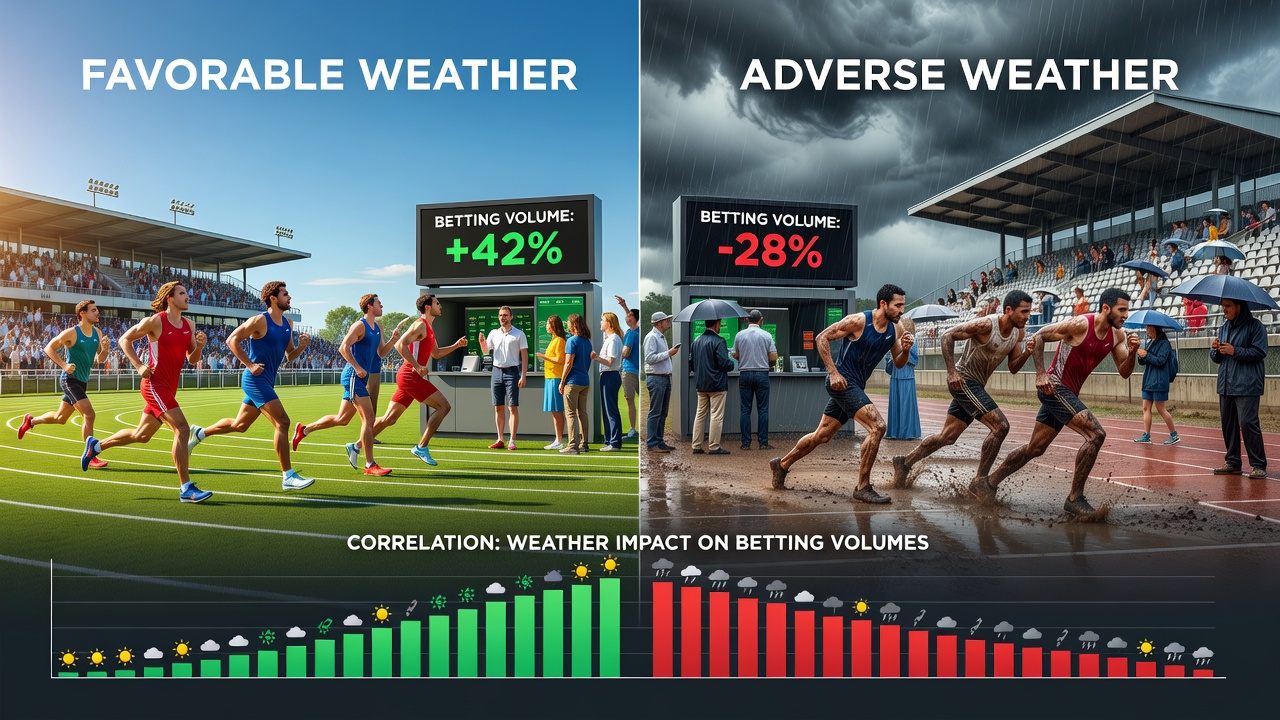
Live Betting Adjustments During June 2026 Events
June 2026 brings a cluster of high-profile outdoor fixtures across multiple continents, and meteorological agencies forecast above-average rainfall in parts of northern Europe alongside heat waves in southern regions. These projected conditions are expected to amplify real-time betting activity because operators already integrate live weather feeds into their platforms. Historical comparisons from similar periods show that when forecasts shift within 24 hours of kickoff, transaction volumes can climb an additional 15 percent as bettors react to updated pitch inspections or track drying times. Industry reports prepared by the National Oceanic and Atmospheric Administration provide granular hourly data that betting firms incorporate into risk models, allowing quicker odds revisions and sustained market engagement throughout match days.
Regional Data Patterns and Research Findings
Canadian researchers examining thoroughbred and harness racing across prairie provinces found that sudden temperature drops of more than 8 degrees Celsius within a single afternoon produce measurable declines in average bet size, while total number of wagers remains stable because bettors spread smaller amounts across more selections. A separate analysis conducted by academics at the University of Melbourne documented that wind speed above 25 kilometers per hour during tennis tournaments correlates with elevated volumes on game and set handicap markets, particularly when matches move indoors or experience extended rain delays. These findings align with observations from South African horse racing authorities, where seasonal monsoon patterns create predictable volume peaks during the transition from dry to wet tracks. Collectively the data indicate that weather serves as a leading indicator rather than a secondary factor in volume forecasting models.
Conclusion
Weather patterns continue to shape betting volumes through direct effects on playing surfaces, athlete performance, and event scheduling across outdoor sporting events and track activities. Quantitative records compiled by regulatory bodies and academic institutions demonstrate consistent correlations between atmospheric variables and transaction metrics, while operators increasingly embed meteorological inputs into their systems to manage liquidity. As June 2026 approaches, the interplay between forecasted conditions and live wagering markets will provide further opportunities to observe these established relationships in practice.