Currency Volatility Reshaping Payouts in Worldwide Sports Betting Markets
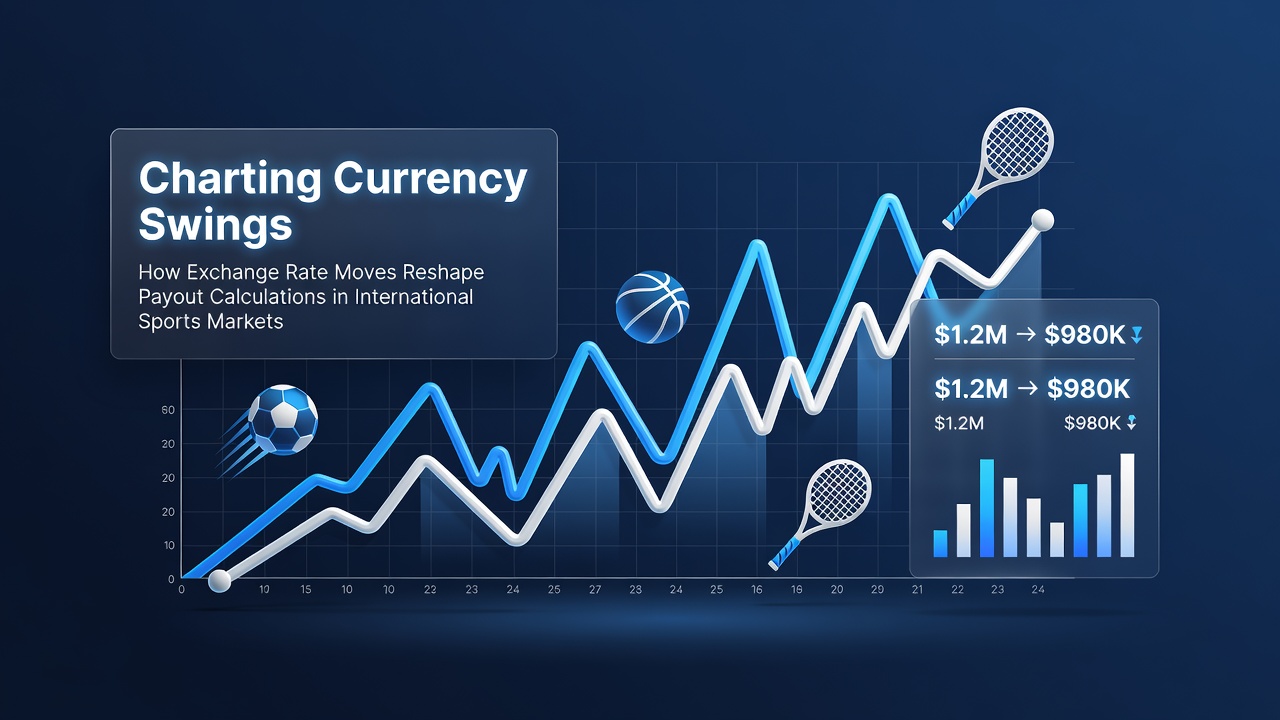
Exchange rate movements have become a central factor in how betting platforms calculate and deliver payouts for international sports markets, particularly as operators handle wagers placed in one currency while settling in another; data from mid-2026 shows these swings intensified during the European summer tournament window when trading volumes spiked across borders. Bettors in Australia placing stakes on UEFA competitions often see final returns adjusted by live EUR to AUD conversions, while those in North America betting on Asian leagues encounter similar recalibrations tied to USD fluctuations against regional currencies.
Mechanics Behind Rate-Driven Adjustments
Platforms convert odds and stakes at the moment of placement using real-time feeds, yet settlement occurs later when exchange rates may have shifted, creating differences between expected and actual amounts received; this process relies on automated systems that pull from interbank rates and apply spreads determined by each operator's risk model. Observers note that during periods of high volatility, such as the weeks following central bank announcements in July 2026, discrepancies widen because the initial conversion rate no longer matches the rate at payout time. Those managing multi-currency accounts frequently monitor forward contracts or hedging tools to stabilize these calculations, whereas smaller operators absorb the variance directly into their margin structures.
Regional Currency Pairs in Focus
Common pairs include GBP against USD for transatlantic football markets, EUR to JPY for European leagues popular in Japan, and AUD to ZAR when South African rugby draws interest from Australian punters; each pair introduces distinct timing risks because liquidity levels vary and news events hit different trading hours. Research from the Bank for International Settlements indicates that average daily volatility in these pairs reached 1.2 percent in Q2 2026, directly feeding into settlement engines that recalculate net winnings before funds are released. Operators therefore embed buffers within their pricing algorithms, adjusting odds slightly to account for probable rate drift between bet acceptance and event conclusion.
Take one European platform that processes heavy volume from Canadian users on Premier League matches; when the CAD strengthens unexpectedly against the EUR, payouts shrink even though the underlying odds remained fixed, prompting users to compare live conversion calculators across sites before committing stakes. Similar patterns appear in Latin American markets where BRL movements against USD alter returns on NBA and NFL wagers placed through offshore books.
Impact on Major Sporting Events in 2026
During the July 2026 international window, several high-profile tournaments coincided with notable rate swings that altered payout outcomes for thousands of cross-border accounts; data compiled by the European Gaming and Betting Association shows settlement adjustments averaging 3.8 percent on affected tickets during peak volatility days. Bettors who locked in positions early in GBP before a sudden depreciation against the USD received lower final amounts than projected, while those betting later in the cycle sometimes benefited from favorable reversals. Platforms responded by offering optional rate-lock features on select markets, allowing users to fix the conversion at placement for a small premium deducted from potential returns.
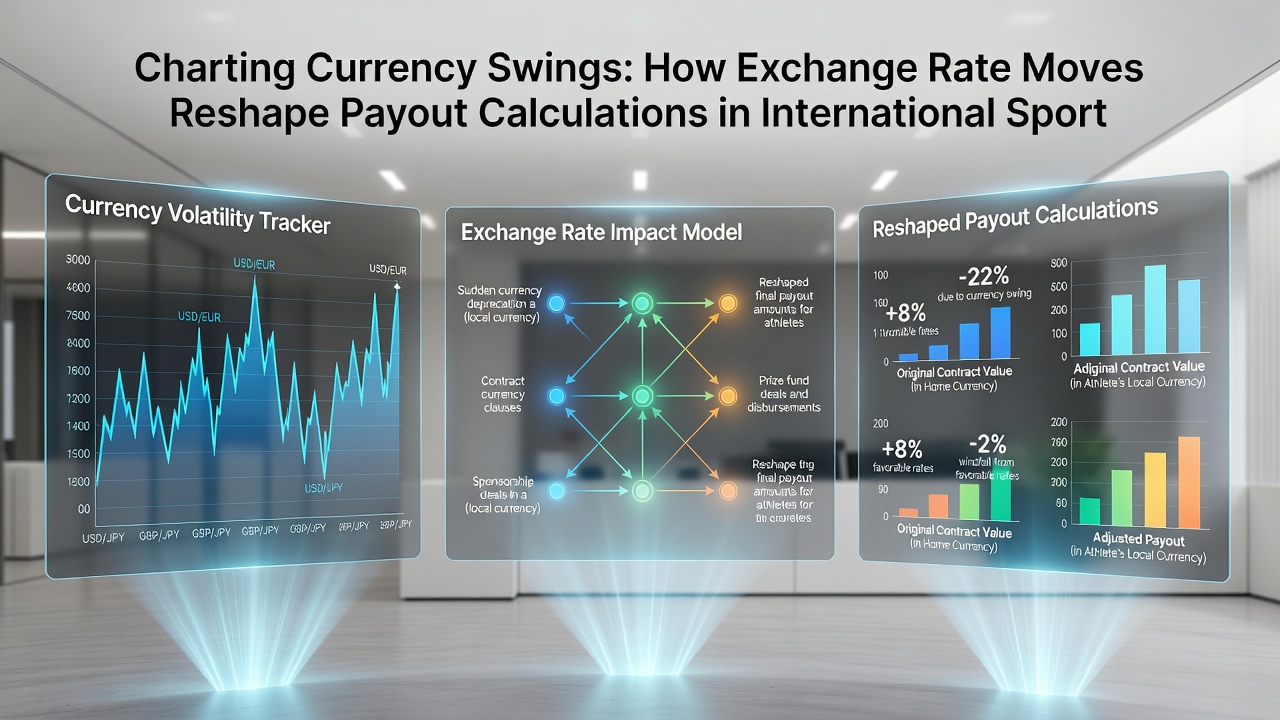
Case examples from Canadian operators reveal that rugby and cricket markets crossing into Asian time zones experienced the widest gaps because settlement often occurred hours after placement when Asian markets reopened; this lag allowed rate movements to compound and change net figures noticeably. Those tracking historical patterns observe that similar effects appeared during previous global events, though the scale in 2026 reflected higher overall participation from regions with less stable local currencies.
Tools and Strategies Operators Employ
Advanced platforms integrate multiple data streams from liquidity providers and apply dynamic spreads that widen or tighten based on forecasted volatility, thereby passing some risk back to the market while protecting overall margins; academic studies on algorithmic pricing confirm these adjustments reduce exposure without altering core odds. Users in turn consult third-party converters or integrated wallet tools that display projected payouts under different rate scenarios, helping them decide optimal timing for stake placement. Smaller operators without sophisticated hedging capacity often limit the number of currency pairs they accept, directing international traffic toward a handful of major denominations to simplify reconciliation.
What's interesting is how these systems interact with bonus structures, because promotional credits issued in one currency must also convert accurately when redeemed against events priced in another; mismatches here trigger additional compliance checks and occasional disputes resolved through support channels. Data indicates that platforms offering seamless multi-currency wallets saw higher retention rates during the volatile July period compared with those requiring manual conversions at each step.
Conclusion
Exchange rate dynamics continue to influence payout calculations across international sports markets as operators refine their conversion engines and users adapt placement habits to account for ongoing fluctuations; records from 2026 demonstrate measurable effects on settlement values whenever major events overlap with periods of currency instability. Those following these markets recognize that monitoring rate feeds alongside odds becomes part of standard practice for anyone engaging across borders, while regulatory frameworks in various jurisdictions increasingly require transparent disclosure of conversion methodologies. As participation grows, the interplay between financial markets and betting settlements will likely prompt further technical developments aimed at minimizing timing discrepancies for all parties involved.