Customization in Betting Application Interfaces: Effects on User Decision Processes
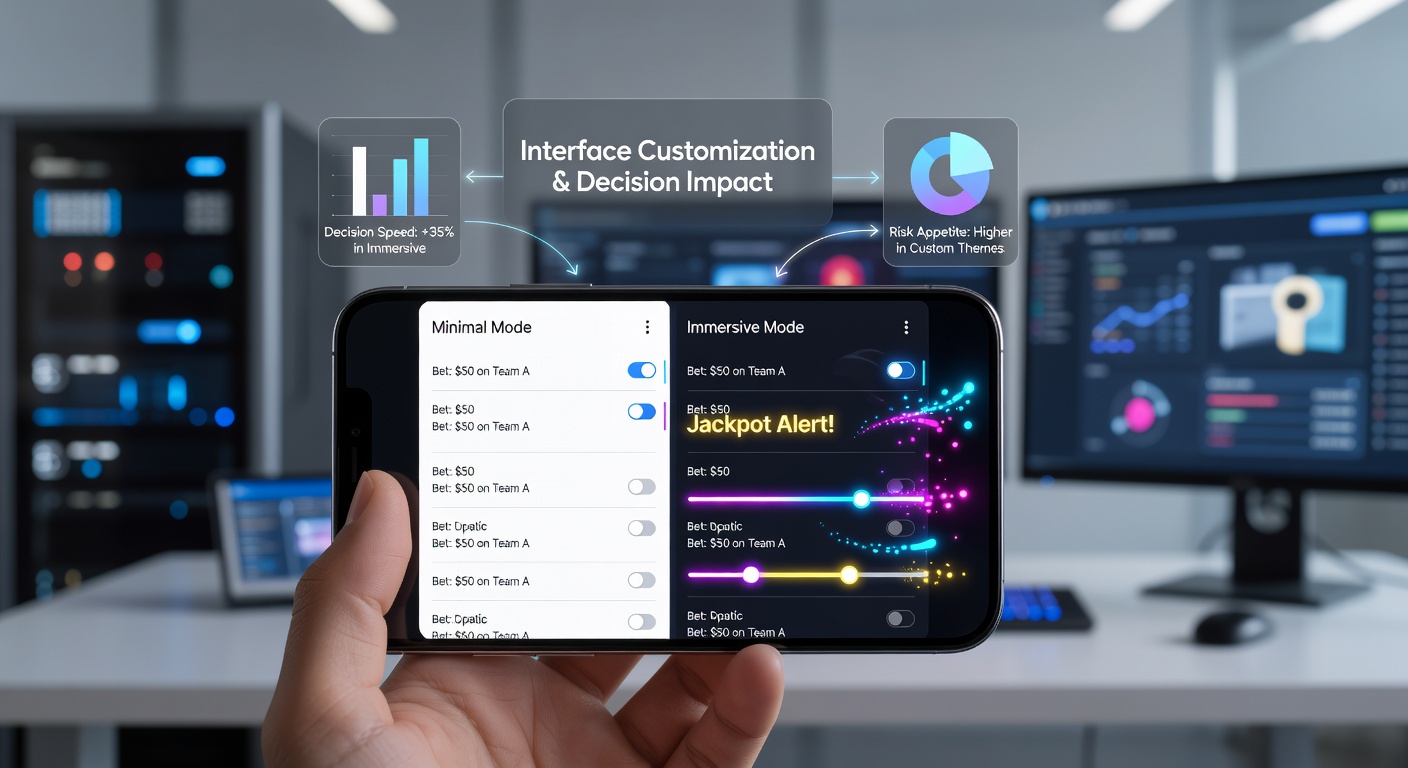
Digital betting platforms have incorporated various customization features over the past decade, allowing users to adjust layouts, color schemes, notification preferences, and bet slip configurations. These options emerged as operators responded to user feedback and competitive pressures in markets across North America, Europe, and Asia. Research conducted by academic teams indicates that such modifications influence how individuals process information and arrive at betting selections during sessions.
Core Customization Elements in Modern Platforms
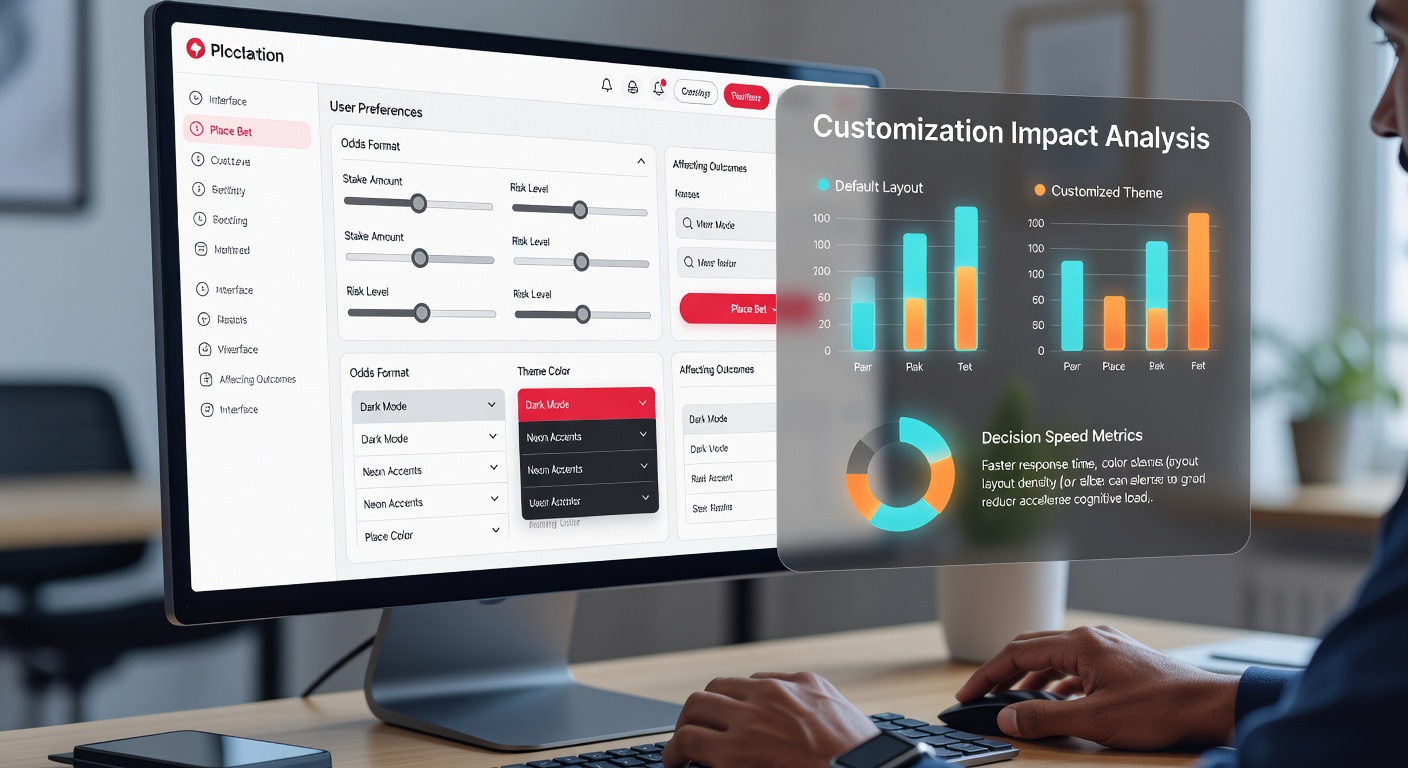
Users encounter several adjustable components when they open a typical application. Layout toggles permit rearrangement of sections such as odds displays, live score feeds, and account balances, while color palette selectors let individuals switch between high-contrast modes or darker themes suited to low-light environments. Notification controls determine the frequency and type of alerts for odds changes or event updates, and bet slip tools enable resizing of input fields or addition of quick-stake buttons.
Studies from behavioral research groups show these adjustments alter visual attention patterns. One investigation tracked eye movements across customized versus standard interfaces and found participants spent longer examining specific odds when they had personalized the display order. Data collected in controlled experiments revealed shifts in selection speed, with some configurations reducing average decision time by measurable margins.
Evidence from Recent Analyses
Figures released in early 2026 from research at institutions including the University of Sydney highlight correlations between interface modifications and betting volume patterns. Participants who enabled multiple custom features placed a higher proportion of multi-leg selections compared with those using default settings. The same report noted variations in stake sizing when users activated quick-bet shortcuts, although outcomes depended on individual experience levels.
Another dataset compiled by the Canadian Centre on Substance Use and Addiction examined session lengths across different personalization levels. Sessions involving extensive layout tweaks extended beyond those with minimal changes, yet researchers recorded no uniform increase in total amounts wagered. Observers note that these patterns emerged consistently across age groups tested during the study period ending in May 2026.
Regional Regulatory Context and Industry Reports
Regulators in several jurisdictions have begun monitoring how interface design intersects with player behavior. The Nevada Gaming Control Board published summaries in 2025 that referenced operator-submitted data on customization usage rates. Those summaries indicated higher engagement metrics in apps offering extensive options, although direct causation remained outside the scope of the published material. Industry associations such as the European Gaming and Betting Association have similarly compiled member surveys showing widespread adoption of personalization tools by operators seeking to retain active accounts.
Academic papers continue to explore underlying mechanisms. A 2024 study appearing in a journal focused on human-computer interaction described experiments where participants using customized notification settings responded more rapidly to live odds movements. The authors attributed part of this response pattern to reduced visual clutter after users filtered non-essential alerts.
Interaction with Specific Features
Bet slip customization receives particular attention in available analyses. When users add quick-stake presets or reorder selection summaries, subsequent choices often reflect those preset values more frequently than default amounts. Eye-tracking data supports the observation that repeated exposure to a rearranged slip directs attention toward certain fields over others. Color theme adjustments produce subtler effects according to preliminary findings, primarily influencing session comfort rather than outright selection bias.
Live betting environments demonstrate additional layers. Platforms that permit users to pin specific markets or collapse secondary information panels show elevated interaction rates with in-play options. Reports compiled through operator analytics indicate these pinned elements receive disproportionate clicks relative to unpinned counterparts during the same events.
Conclusion
Available research establishes measurable connections between interface customization and aspects of decision timing, selection composition, and session structure in digital betting applications. Data from multiple regions continues to accumulate as operators expand feature sets and researchers refine measurement techniques. Regulatory summaries and academic examinations together provide a growing record of how these tools operate within real-world usage conditions through 2026 and beyond.