Greyhound Racing Markets Respond to Changing Weather Conditions
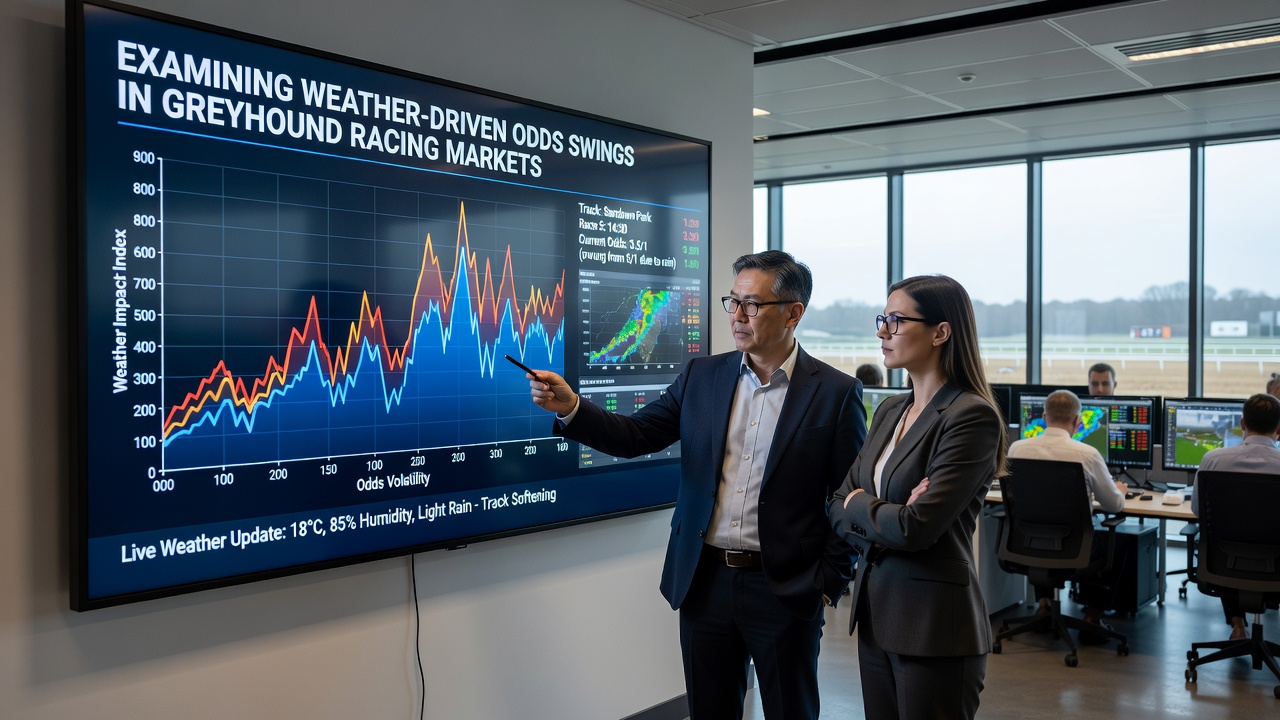
Weather patterns exert measurable influence over greyhound racing outcomes and the odds that emerge in betting markets around those events. Track surfaces respond quickly to precipitation, temperature changes, and wind, which in turn alters running times and race results in ways that shift market prices before each meeting begins. Data from multiple racing jurisdictions shows that greyhounds often record slower times on damp or heavy ground, prompting bookmakers to adjust starting prices and in-play markets accordingly.
Track Surface Changes Drive Early Market Adjustments
Rainfall stands out as the most direct factor because it modifies the firmness of the racing surface within hours. When forecasters predict showers ahead of an evening card, odds compilers incorporate expected slower times into their models and shorten prices on dogs that have performed well on similar ground in the past. Observers note that these adjustments begin as soon as weather services release updated forecasts, sometimes several days before the first race.
Temperature also plays a role because extreme heat or cold affects muscle function and recovery between races. Meetings held during heatwaves in July 2026 recorded average race times several tenths of a second slower than seasonal norms, according to timing data compiled by Australian racing authorities. Market makers responded by lengthening odds on front-running dogs that typically rely on early speed, while shortening prices for those that finish strongly when the surface becomes tiring.
Wind and Visibility Add Layers to Pricing Models
Wind direction and strength introduce additional variables that affect both straight and bend sections of tracks. Strong crosswinds can push dogs wide on turns, increasing the distance they travel and reducing their effective speed. Betting exchanges capture these effects in real time as traders react to live wind readings posted by track officials, creating rapid swings that last only minutes before stabilizing around new equilibrium prices.
Data Sources Reveal Consistent Patterns Across Regions
Research published by the Bureau of Meteorology in Australia links specific rainfall thresholds to measurable changes in greyhound performance metrics. Similar findings appear in reports from Canadian provincial racing commissions that examined winter meetings where frozen or thawing surfaces produced distinct odds movements compared with standard conditions. These datasets allow analysts to build statistical models that forecast the magnitude of price shifts once a weather event is confirmed.
Bookmakers integrate such models into their pricing engines so that initial odds already reflect expected surface changes. When actual conditions deviate from forecasts, markets move again as new information arrives, creating the short-term volatility that traders monitor throughout each meeting.
Live Betting Responds to Real-Time Weather Updates
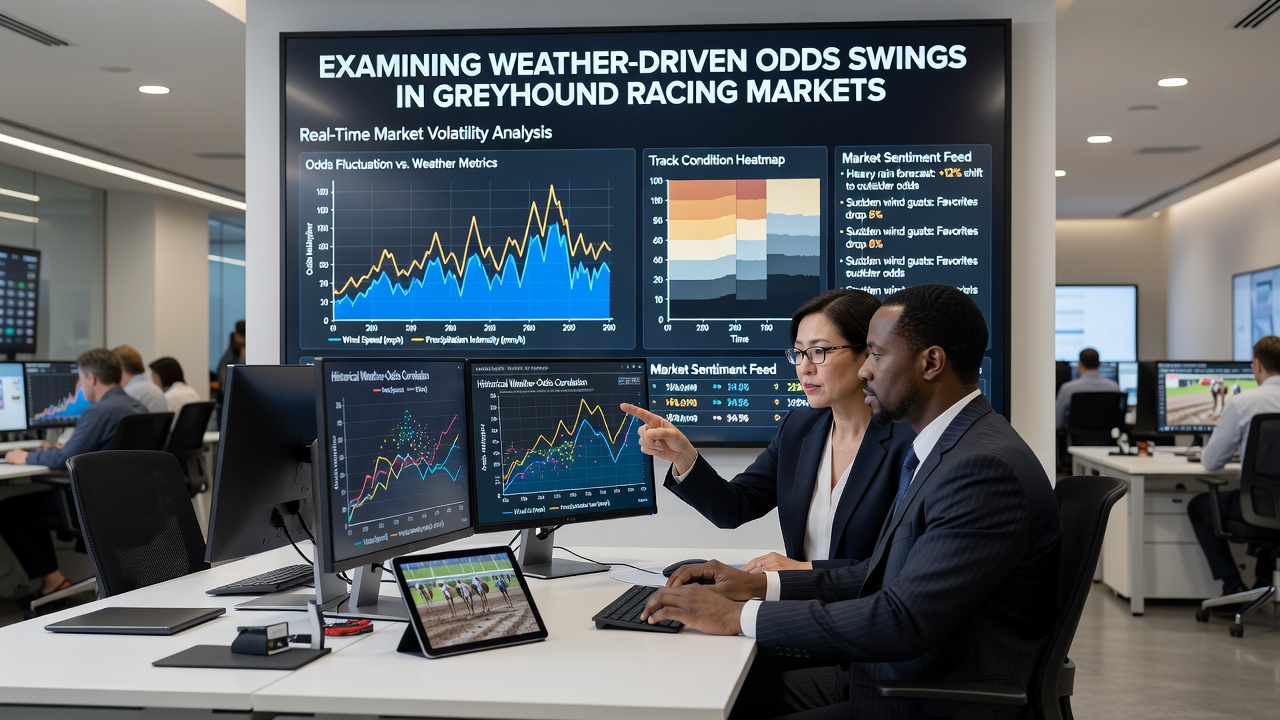
In-play markets show the clearest evidence of weather-driven swings because bettors receive continuous updates on track conditions alongside video feeds. A sudden downpour during a card can cause immediate price corrections as layers and backers reassess which runners will handle the changing surface best. Exchange platforms record these corrections within seconds, and liquidity often concentrates around dogs with proven wet-weather form.
Industry reports from the European Greyhound Racing Association indicate that trading volumes increase by measurable margins on days when weather forecasts change within two hours of the first race. Participants who monitor both meteorological data and market depth simultaneously gain access to narrower margins during these periods, although the advantage narrows once the broader market incorporates the same information.
Statistical Models Improve Forecast Accuracy
Quantitative studies conducted at several universities have quantified the relationship between precipitation amounts and average race times across different track configurations. One paper examined five years of results from multiple venues and found that each additional millimeter of rain above a certain threshold correlated with a predictable increase in winning times. These coefficients now feed into algorithmic pricing tools used by professional syndicates and larger betting operators.
July 2026 meetings provided further test cases when unseasonal storms affected several major tracks. Records show that odds on established track specialists tightened while prices on dogs with limited wet-ground experience drifted, matching the patterns predicted by earlier statistical work. Such episodes reinforce the value of weather-integrated models for anyone constructing or trading greyhound markets.
Conclusion
Weather remains a persistent variable that shapes both greyhound performance and the odds offered in associated betting markets. Track operators, regulators, and market participants continue to refine data collection and modeling techniques to account for these effects, resulting in faster incorporation of surface changes into prices. Continued monitoring of meteorological conditions alongside racing statistics allows all parties to anticipate and respond to the resulting movements in an objective and measurable manner.