How Screen Layouts Guide Betting Decisions in High-Speed Scenarios
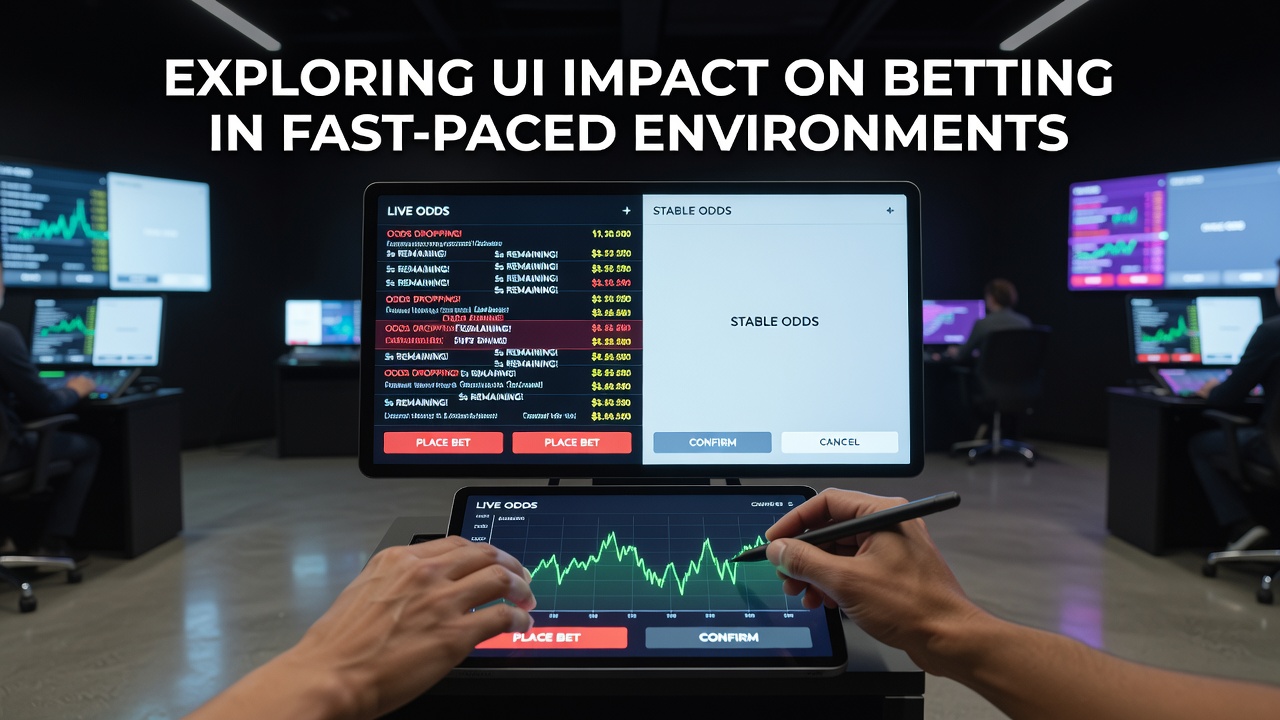
Digital platforms present betting options through carefully arranged elements that shape how users respond during live events, and researchers have documented these patterns across multiple studies conducted in recent years. Screen layouts determine the order in which odds appear, the size of selection buttons, and the placement of confirmation prompts, all of which influence the speed and type of wagers placed in environments where events unfold within seconds.
Data from industry reports indicate that streamlined navigation reduces the time between viewing odds and confirming a bet, while crowded displays can lead users toward simpler options that require fewer clicks. Observers note that platforms optimized for mobile devices often prioritize large touch targets for popular markets such as match winners or over-under totals, directing attention away from less prominent proposition bets.
Visual Elements and Selection Patterns
Color schemes play a measurable role in directing attention during fast-paced sessions, with red and green accents commonly used to signal price movements and availability. Studies from academic institutions have shown that users tend to select highlighted options more frequently when those choices stand out against neutral backgrounds, particularly in live sports where odds fluctuate rapidly. In June 2026, tracking of major tennis tournaments revealed higher volumes of in-play bets on highlighted player props compared to standard match markets on interfaces that employed bold color contrasts.
Font sizes and spacing also affect readability under time pressure, and platforms that maintain consistent typography allow quicker scanning of multiple lines of data. Those who analyze user behavior report that excessive scrolling requirements correlate with fewer complex bets, as participants default to visible selections at the top of the screen.
Button Placement and Confirmation Flows
Placement of action buttons determines how easily users can execute wagers before odds change, and designers often position primary controls within thumb-reach zones on mobile screens. Research indicates that single-tap confirmation flows increase the frequency of smaller, repeated bets during live events, whereas multi-step verifications reduce impulse selections but extend decision time. Industry data collected from European operators shows variations in bet volume based on whether confirmation screens appear immediately or after a short delay.
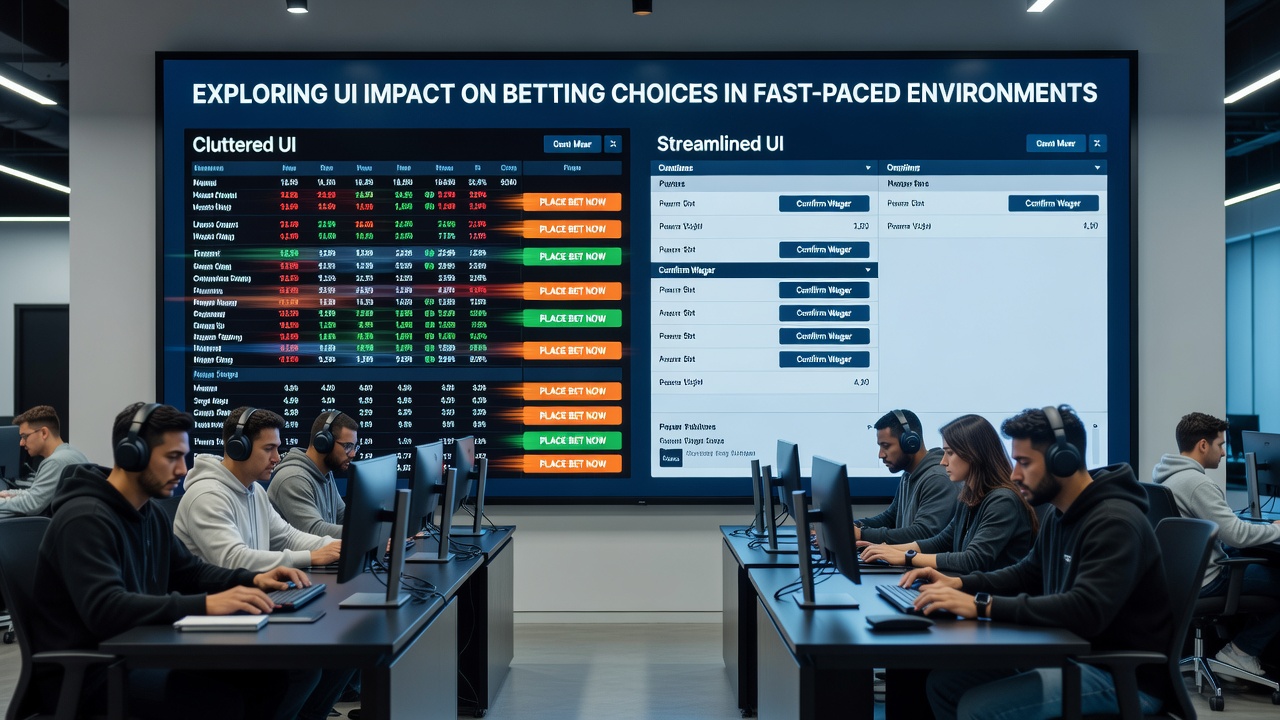
Stake adjustment sliders positioned near the main betting area further influence amount selection, and users adjust wagers more often when these controls remain visible throughout the process. Platforms that integrate quick-stake presets report higher average bet sizes in time-sensitive situations because preset options remove the need for manual entry.
Real-Time Updates and Notification Systems
Live feeds integrated directly into betting screens keep odds visible without requiring users to switch views, and this continuity supports faster reactions to changing conditions. A report from the Australian Institute of Family Studies highlights how persistent data displays correlate with sustained engagement during extended matches or races. Push notifications that appear as banners can prompt immediate selections, though the frequency and wording of these alerts vary across different applications.
Those studying interface effects have observed that grouped market categories, such as player statistics alongside team totals, encourage exploration of secondary options when users remain on one screen. Fragmented layouts that require tab switching tend to limit activity to primary markets only.
Evidence from Broader Research
Investigations conducted by the Responsible Gambling Council in Canada examined how layout variations affect choices across different user groups, finding measurable differences in bet diversity based on screen organization. Similar patterns appear in analyses from the National Council on Problem Gambling in the United States, where interface testing showed that simplified dashboards increased participation in live markets during peak event hours. These findings align with observations from operators who adjust designs seasonally around major competitions.
Platform updates implemented ahead of June 2026 events incorporated additional quick-filter tools that allowed users to isolate specific leagues or player props, resulting in shifts toward more targeted wagering documented in operator logs.
Conclusion
Interface components collectively determine the pathways available for placing bets in environments where timing matters, and ongoing refinements continue to alter how participants interact with available options. Evidence from multiple regions demonstrates consistent relationships between design choices and selection behaviors, providing operators and researchers with data to refine presentation methods as live betting volumes expand.