Mapping the Evolution of Real-Time Betting Features in Mobile Applications
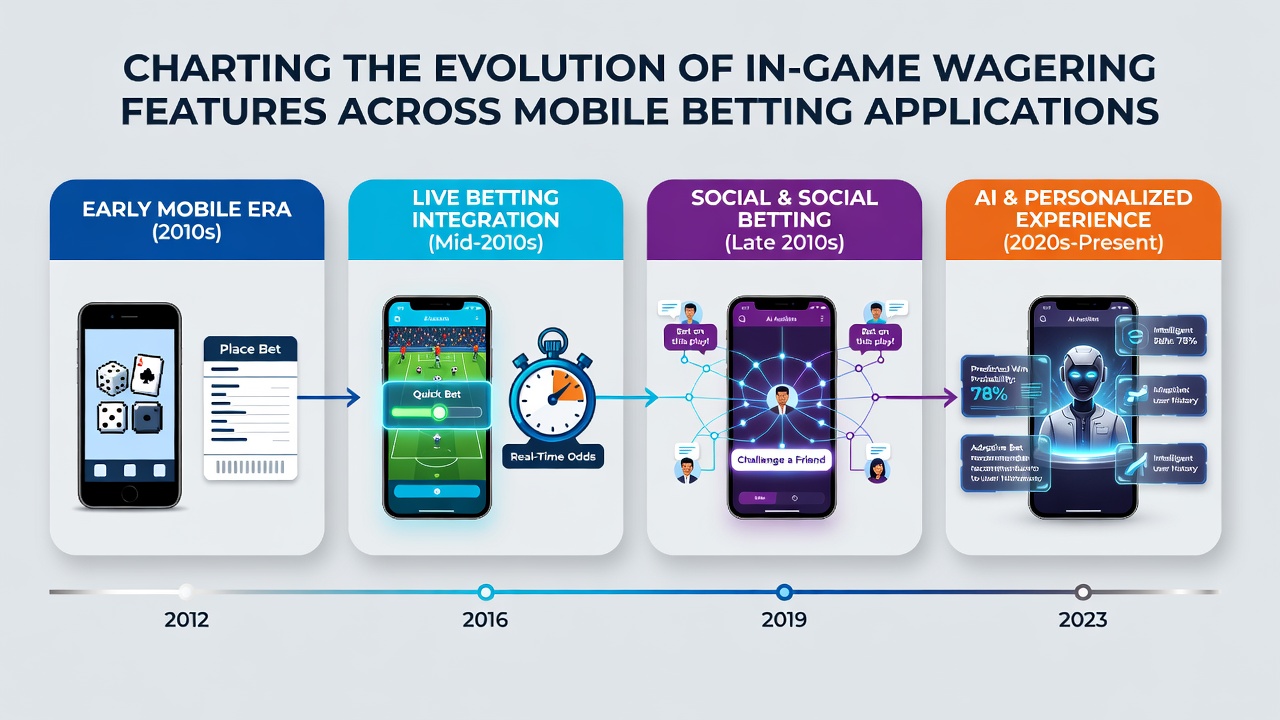
Developers introduced basic score updates in early mobile betting platforms during the late 2000s, yet those systems quickly expanded into full live odds engines that adjust probabilities every few seconds. Users gained access to markets on next point scored or next goal conceded while matches unfolded, and operators integrated these tools across iOS and Android versions by 2012. Data from regulatory filings shows transaction volumes for in-play features rose steadily as network speeds improved worldwide.
Initial Steps Toward Live Integration
Smartphone penetration reached critical mass around 2010, prompting companies to shift from desktop-only interfaces to responsive designs that supported constant data streams. Early apps displayed static odds refreshed at intervals of several minutes, whereas later iterations pulled feeds directly from stadium sensors and official data providers. Observers note that this transition coincided with widespread 3G adoption, which allowed bettors to place wagers during breaks in play without returning to a computer terminal.
One major milestone occurred when cash-out buttons appeared in 2013, letting users lock in partial returns before events concluded. Subsequent updates added partial cash-out sliders and multi-bet combinations that could be edited mid-match. Figures from industry reports indicate these functions increased session durations across major operators, particularly in soccer and tennis markets where momentum shifts occur frequently.
Expansion of Micro-Markets and Streaming
By 2018 most leading platforms offered dozens of in-game selections per fixture, ranging from player-specific props to over-under totals adjusted after each score. Integration of live video streams followed soon after, with some apps embedding condensed highlights or full feeds directly inside the betting interface. Research indicates that simultaneous access to both visuals and odds reduced decision latency for users who previously switched between separate browser tabs.
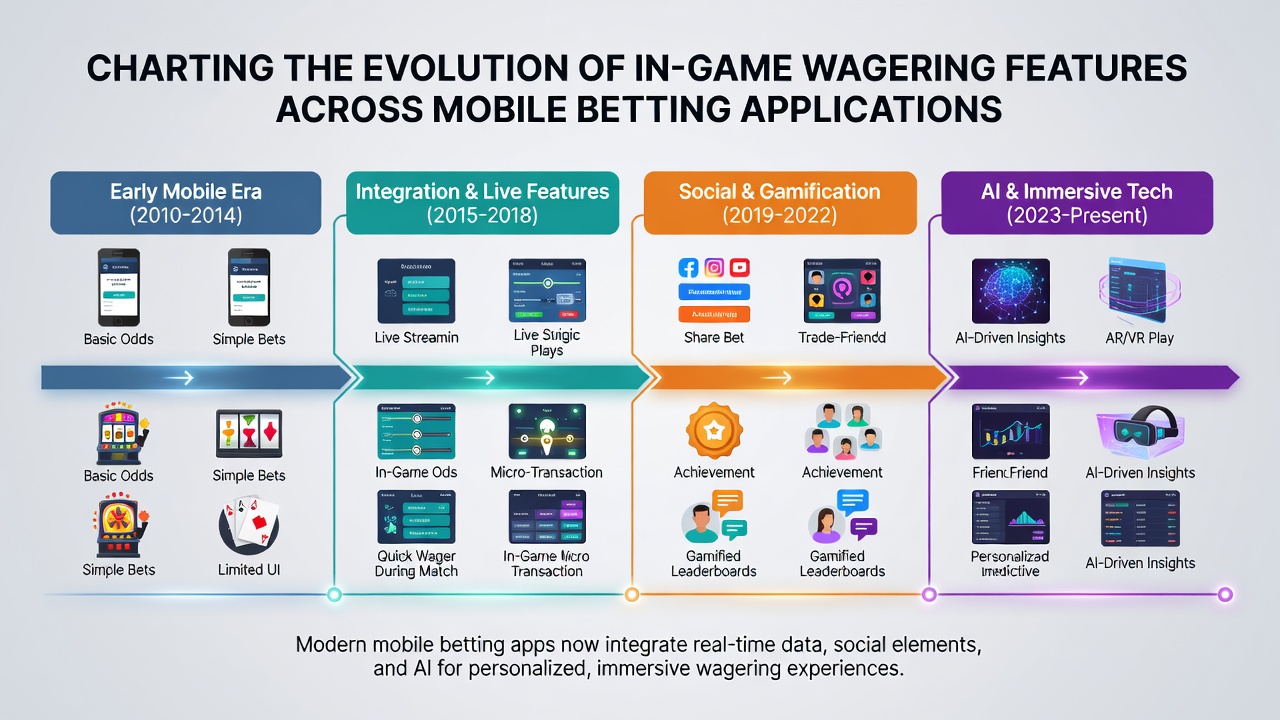
Additional layers emerged through augmented overlays that highlight statistical trends on the same screen where bets are placed. Developers incorporated push notifications for rapid market changes, while backend algorithms adjusted limits automatically based on liability exposure. According to data compiled by the New Jersey Division of Gaming Enforcement, in-play handle in regulated U.S. markets grew from under 20 percent of total sports wagers in 2019 to more than 45 percent by the first half of 2026.
Regulatory and Technical Influences Through 2026
Jurisdictions outside the United Kingdom continued to shape feature availability, with Canadian provincial regulators requiring explicit confirmation screens before each live stake and Australian state authorities mandating session time reminders within betting apps. These rules prompted developers to embed responsible gambling prompts directly into the in-game flow rather than as separate menus. A 2025 study published by researchers at the University of Sydney examined transaction logs and found that such prompts correlated with modest reductions in rapid-fire betting sequences during high-volatility periods.
Technical infrastructure also advanced through partnerships between operators and telecommunications providers, which delivered lower latency connections in stadium environments. As of July 2026 several platforms tested 5G edge computing nodes that pre-calculate odds locally before transmitting updates to central servers, shortening the interval between event occurrence and odds refresh to under one second in controlled trials. Industry associations such as the European Gaming and Betting Association have documented these infrastructure investments in annual technology surveys.
Future Directions in App Architecture
Current roadmaps point toward deeper personalization through machine learning models that surface relevant micro-markets based on individual betting history. Voice-command integration appears in limited beta releases, allowing users to confirm wagers verbally while keeping eyes on live footage. Observers note that cross-platform synchronization now permits seamless movement between phone, tablet, and wearable devices without resetting active bets.
Security enhancements include biometric confirmation layered onto every in-game transaction above certain thresholds, satisfying requirements from multiple licensing bodies simultaneously. These measures coincide with expanded data encryption standards adopted across the sector. Evidence from academic papers presented at the 2025 International Conference on Gambling and Risk Taking suggests that layered authentication has not materially slowed placement speed for the majority of users.
Conclusion
The progression from simple score tickers to sophisticated, real-time wagering ecosystems reflects broader advances in mobile connectivity and data processing. Market statistics compiled through mid-2026 demonstrate sustained growth in live betting volumes across regions that permit regulated mobile access. Continued refinement of interface elements and backend systems will likely maintain this trajectory while regulatory frameworks adapt to new capabilities.