Notification Cadence Impacts on Rugby Union Impulse Betting Markets
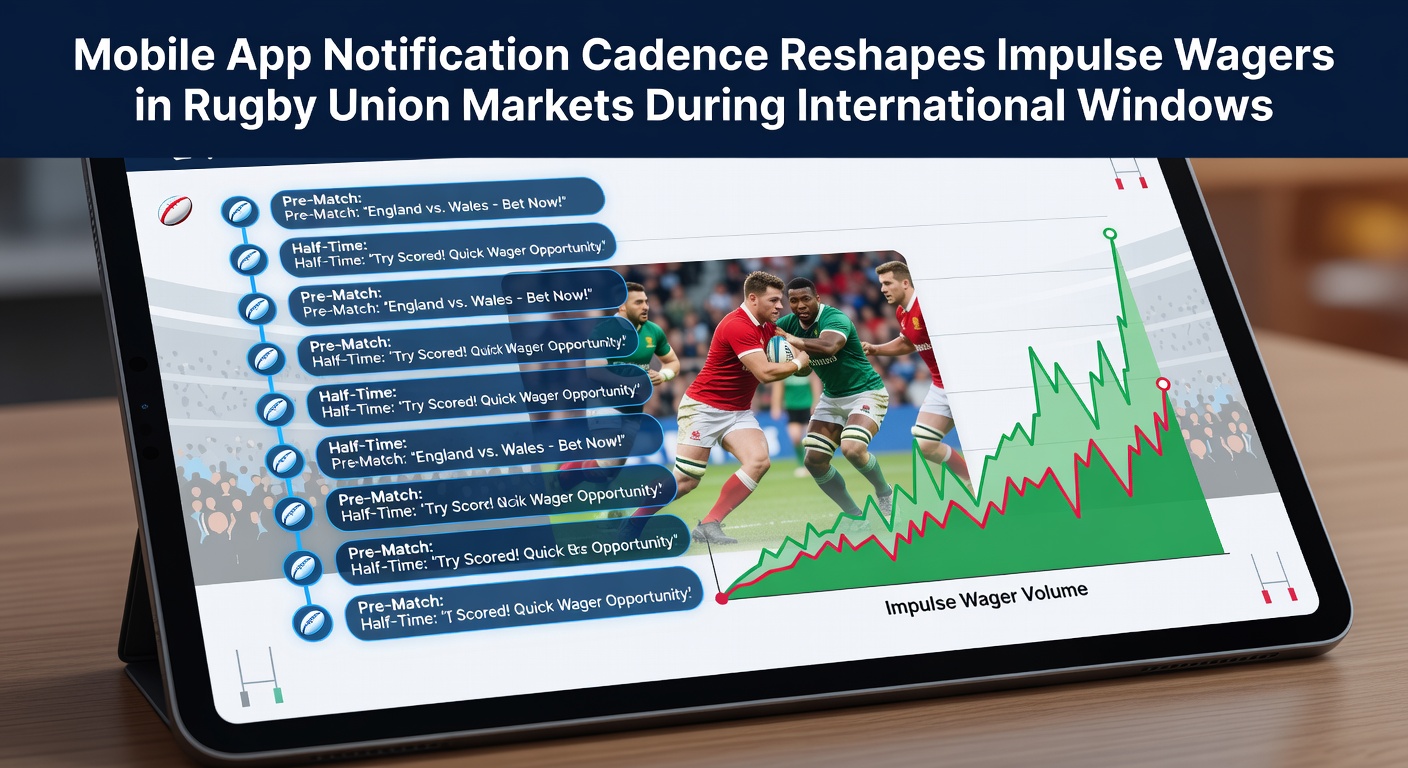
Push notification timing from betting applications has started to alter how users engage with rugby union markets, particularly when international fixtures create concentrated periods of activity across multiple time zones. Observers tracking user behavior note that apps sending alerts at intervals of ten to twenty minutes during live play see measurable rises in quick prop bets and micro-markets, while longer gaps between messages correlate with steadier volumes on pre-match outcomes. Data from platform analytics in early 2025 already pointed to these patterns, and similar trends are expected to intensify around the June 2026 international window when several tier-one nations schedule mid-year tests simultaneously.
Patterns Emerging from Live Test Windows
International windows bring together high-profile matches that attract both casual and experienced bettors, yet the way notifications arrive shapes the split between planned wagers and spontaneous ones. When an app delivers score updates paired with odds refreshes every quarter-hour, users often shift toward live spreads on try-scorers or penalty counts; researchers examining aggregated transaction logs have recorded spikes of up to thirty percent in these impulse categories compared with quieter notification schedules. In contrast, apps that space alerts further apart tend to keep activity focused on outright match results and handicap lines that require less frequent checking.
One study conducted across European and Southern Hemisphere operators during the 2024 Autumn Nations series found that users receiving clustered notifications within the first ten minutes after a score were twice as likely to add a second or third leg to an existing bet slip. The same research highlighted that these additions frequently involved smaller stakes placed in rapid succession, a behavior less common when alerts arrived at wider intervals. Platform operators have since adjusted delivery rules, testing cadences that balance engagement against regulatory expectations around responsible play prompts.
Regional Differences in Notification Response
Markets in Australia and New Zealand show distinct responses to notification frequency because rugby union fixtures often occur during evening or weekend slots that overlap with social media peaks. According to figures released by the Australian Gambling Research Centre, apps that timed alerts to coincide with half-time breaks recorded elevated volumes on next-try markets, while those maintaining steady fifteen-minute cycles throughout saw more even distribution across both pre-match and in-play options. European operators handling southern hemisphere tours report parallel observations, though the absolute volumes remain smaller outside major tournaments.
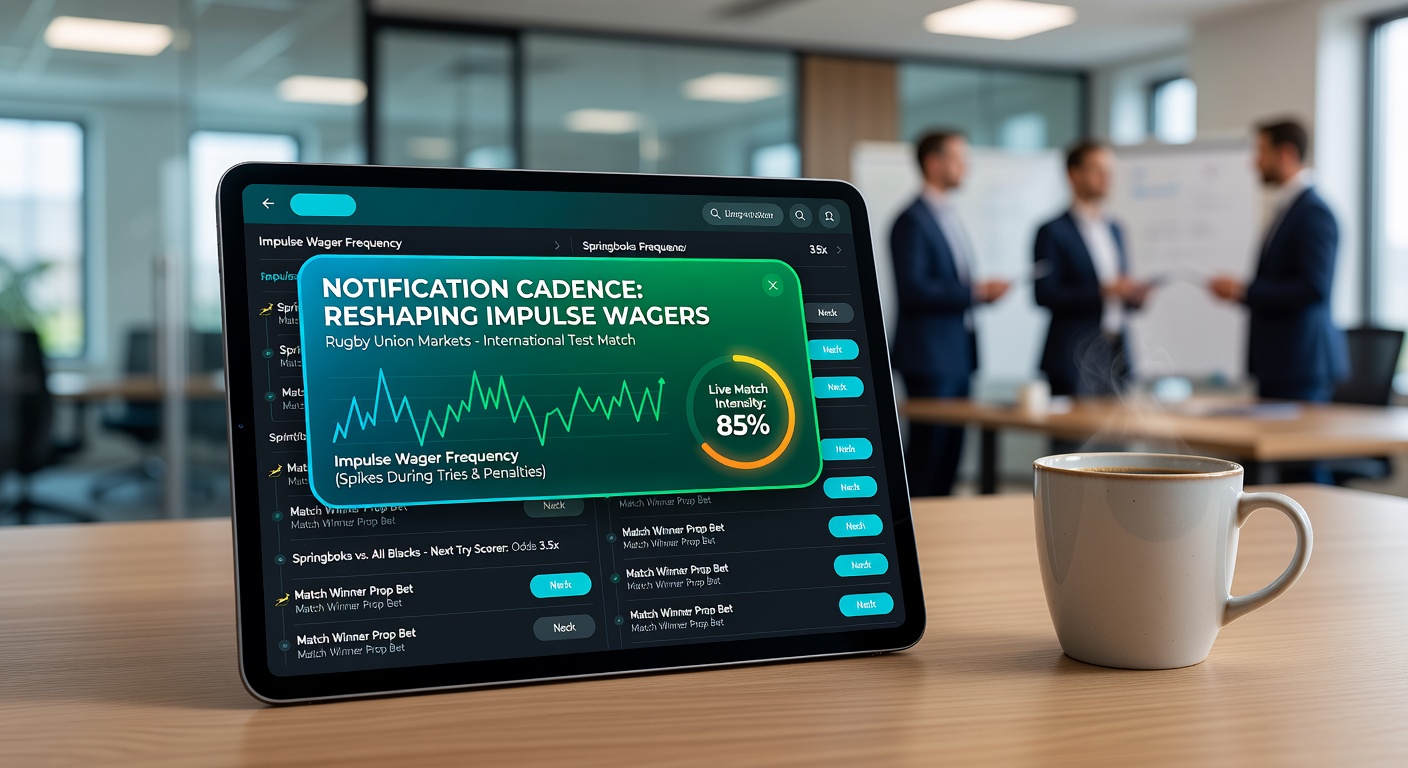
Canadian regulatory data released in late 2025 examined cross-border traffic during the Rugby Championship and noted that users exposed to high-cadence alerts placed more single-leg impulse bets on underdog margins, whereas lower-frequency messaging encouraged multi-leg accumulators built over longer sessions. These findings align with earlier work from academic groups studying digital nudges, suggesting that the same mechanisms observed in other sports apply equally to rugby union when international windows compress multiple high-attention fixtures into a short calendar period.
Technical Adjustments Operators Are Testing
Developers have begun experimenting with dynamic cadence models that factor in match phase, user session length, and previous bet frequency. Rather than applying a fixed interval, some platforms now reduce notification density after a user has placed two consecutive in-play wagers, inserting responsible-gambling messages instead. Early results shared at industry forums indicate this approach can moderate impulse volumes without reducing overall session participation, although longer-term studies are still underway.
During the June 2026 window, when several nations will contest mid-year tests across overlapping weekends, operators anticipate further refinement of these models. The goal remains to maintain engagement while aligning with emerging standards from bodies such as the National Council on Problem Gambling in the United States and the New Zealand Gambling Commission, both of which have issued guidance on real-time messaging during live events.
Conclusion
Notification cadence has become a measurable variable in how rugby union markets respond during international windows. Evidence gathered across multiple jurisdictions shows that shorter intervals between alerts tend to lift volumes in live micro-markets, while spaced delivery supports steadier activity on pre-match lines. As platforms prepare for the June 2026 schedule, continued testing of dynamic timing will likely shape both commercial outcomes and compliance practices across the sector.